One Less Thing to Remember
Parentzia helps you keep everything about your kids organized—without juggling apps or mental notes.
Join the early access list and see how calm organization feels.

Parentzia helps you keep everything about your kids organized—without juggling apps or mental notes.
Join the early access list and see how calm organization feels.
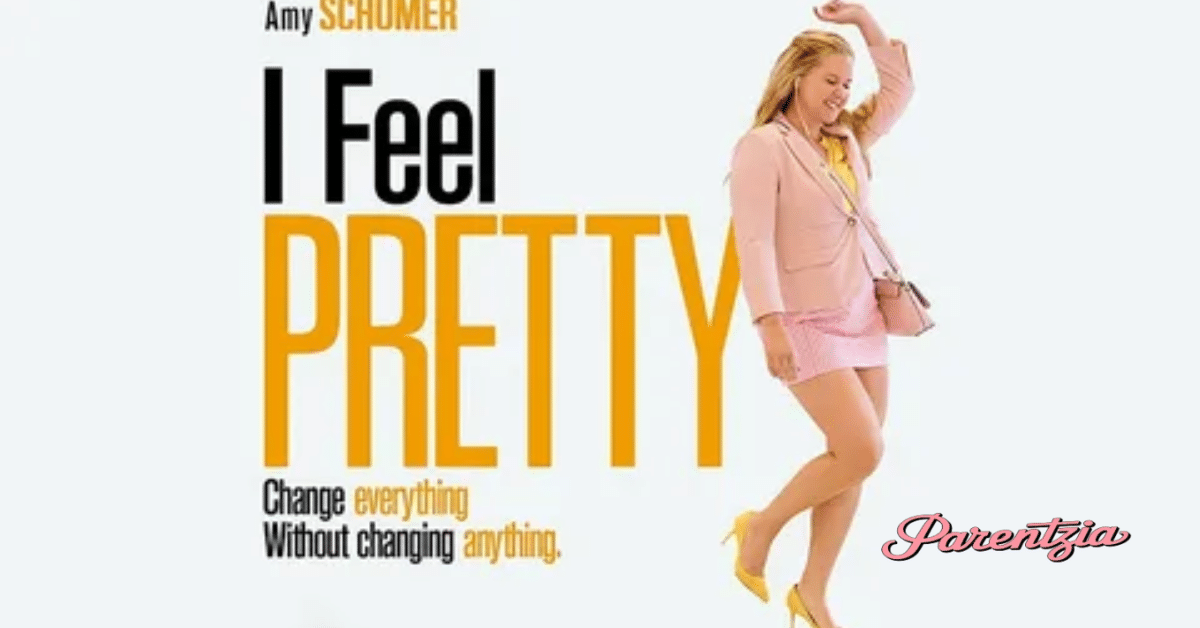
Released in 2018, I Feel Pretty stars Amy Schumer in a comedic take on self-esteem, body image, and female empowerment. While it blends humor with deeper themes of self-acceptance, parents may wonder: Is it safe for kids? With a PG-13 rating, the film offers a mix of light-hearted moments and mature topics, prompting questions about its suitability for younger viewers. Let’s dive into a comprehensive review of the movie, its content, and whether it’s a good fit for your children.
Before deciding whether I Feel Pretty is a family movie, it’s important to understand its core themes and how they are presented. The film explores the transformation of Renee Bennett, a woman who struggles with body image issues until she has an accident that causes her to see herself as the most beautiful woman in the world. This dramatic shift helps her gain confidence, but it’s not without challenges.
For parents, the key concern lies in how the film portrays beauty standards, confidence, and the way it handles adult themes. The movie’s PG-13 rating indicates that it might not be suitable for younger children, but there’s more to it than just a number. The film’s humor often revolves around body image, physical comedy, and self-deprecation—topics that may require careful consideration before introducing them to kids.
Ultimately, whether I Feel Pretty is appropriate for your child depends on their age, maturity level, and ability to handle the themes explored in the film.
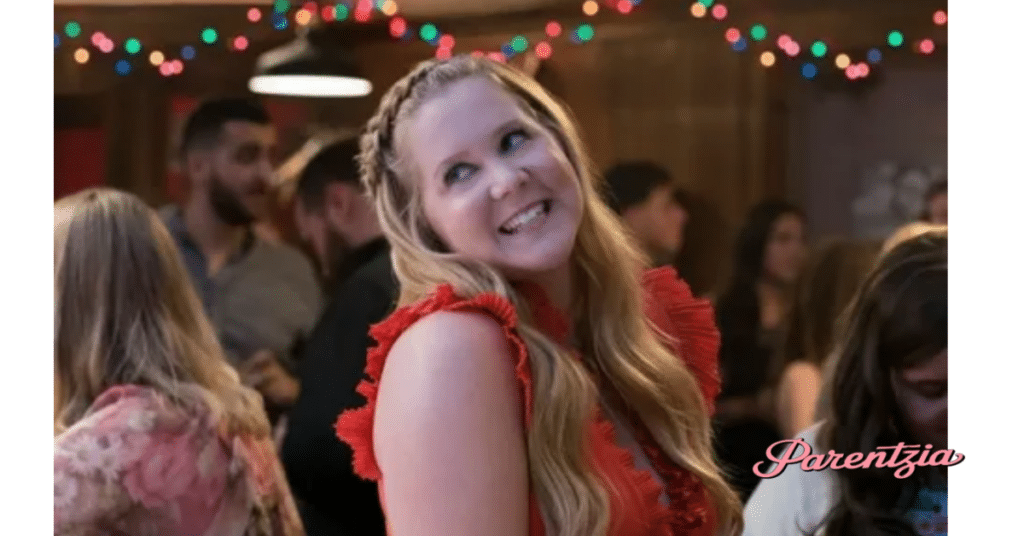
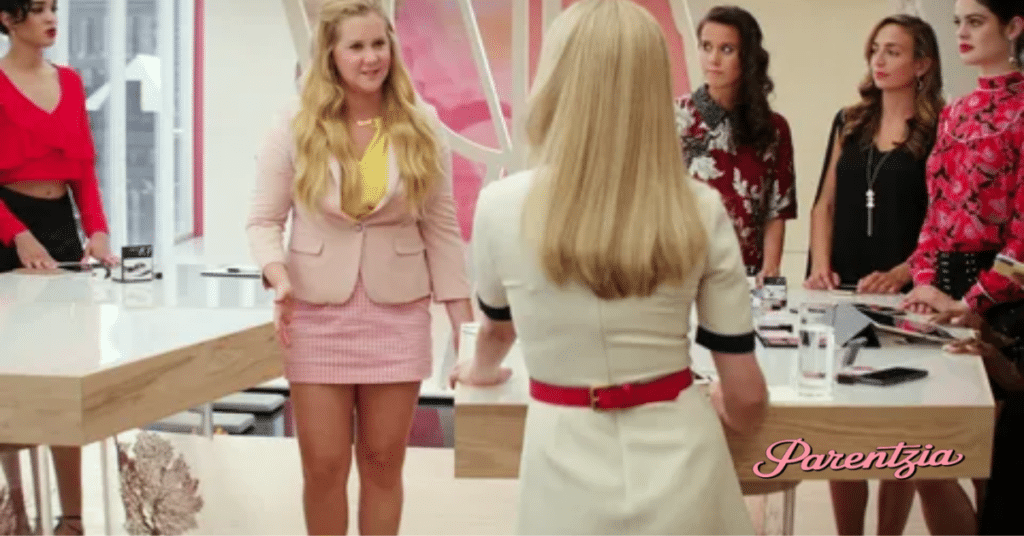
The visual elements of I Feel Pretty are carefully designed to reinforce the movie’s themes of beauty and transformation. At the start of the movie, Renee is portrayed as insecure, with the cinematography highlighting her awkwardness in a world that values outward appearances. When she experiences her accident, the visuals shift dramatically. The costume design and makeup reveal a more confident and “beautiful” version of Renee, even though her physical appearance hasn’t changed.
This transformation is a crucial part of the narrative, as it signifies the change in her self-perception. The movie’s visuals reflect these inner changes through exaggerated fashion choices, bright colors, and more flattering lighting. This emphasis on outward appearance may make some viewers, especially younger ones, question the importance of beauty and attractiveness, even though the film ultimately carries a positive message about self-acceptance.
You might also like “Ralph Breaks the Internet Movie Review: Is It Safe for Kids?”
I Feel Pretty centers on Renee Bennett, a woman who feels insecure about her appearance and struggles with low self-esteem. After an accident at a spin class, she believes that she has transformed into an extraordinarily beautiful woman. This newfound self-confidence allows her to pursue her dreams, but it also leads to challenges when her outward appearance doesn’t actually change. The movie follows Renee’s journey as she learns about the power of self-acceptance and the importance of inner beauty.
While the movie does a good job of addressing beauty standards, it doesn’t shy away from exploring the societal pressures placed on women. Through humor, the film tackles issues like body shaming and how beauty is often equated with success and happiness. The ultimate message is one of empowerment and self-love, which is important, but the execution can be heavy-handed at times.
The PG-13 rating for I Feel Pretty indicates it’s unsuitable for children under 13 due to mild language, sexual content, and mature themes. The movie addresses body shaming, self-doubt, and romantic relationships, which may be too complex for younger audiences.

The PG-13 rating reflects content better suited for older teens and adults than young children. Themes like body image and self-esteem resonate with teenage girls and young adults, while younger kids might miss the film’s deeper messages.
For children under 13, parents should carefully consider whether the movie’s content aligns with their child’s maturity level. The film’s light-hearted comedy and positive messages could be valuable, but the adult themes may be confusing or inappropriate for younger audiences.
Amy Schumer’s portrayal of Renee Bennett is the heart of the film. Known for her sharp humor and physical comedy, Schumer brings a unique charm to the role of a woman struggling with body image. Her performance is both funny and relatable, as she navigates her newfound confidence while still battling her insecurities.
Michelle Williams also delivers a memorable performance as the wealthy and seemingly perfect character, Mallory. Williams’ portrayal of a woman who is simultaneously supportive and somewhat clueless about the struggles of women like Renee adds a layer of complexity to the film.
The core message of I Feel Pretty is one of empowerment. It encourages viewers to embrace their flaws and understand that beauty is more than just skin deep. The film also critiques the pressures women face to conform to certain beauty standards and the way society values appearance over inner qualities.
However, the movie also runs the risk of perpetuating stereotypes about beauty and self-worth. By focusing so heavily on Renee’s external appearance and the comedic element of her believing she is more attractive than she truly is, the film might not fully avoid trivializing the importance of inner beauty.
Ultimately, I Feel Pretty is a fun, empowering film with plenty of laughs and a few important lessons on self-acceptance. While it’s not without its flaws, particularly in how it handles body image and beauty stereotypes, it delivers an important message about confidence and the importance of embracing who you are.
In the end, I Feel Pretty provides a blend of comedy and thought-provoking themes about self-esteem and body image. The movie’s appropriateness depends on a child’s age and maturity. It delivers meaningful lessons for older teens and adults, especially on body image. For younger viewers, parents should consider the PG-13 rating and assess if its humor and themes suit their child’s stage of development.

